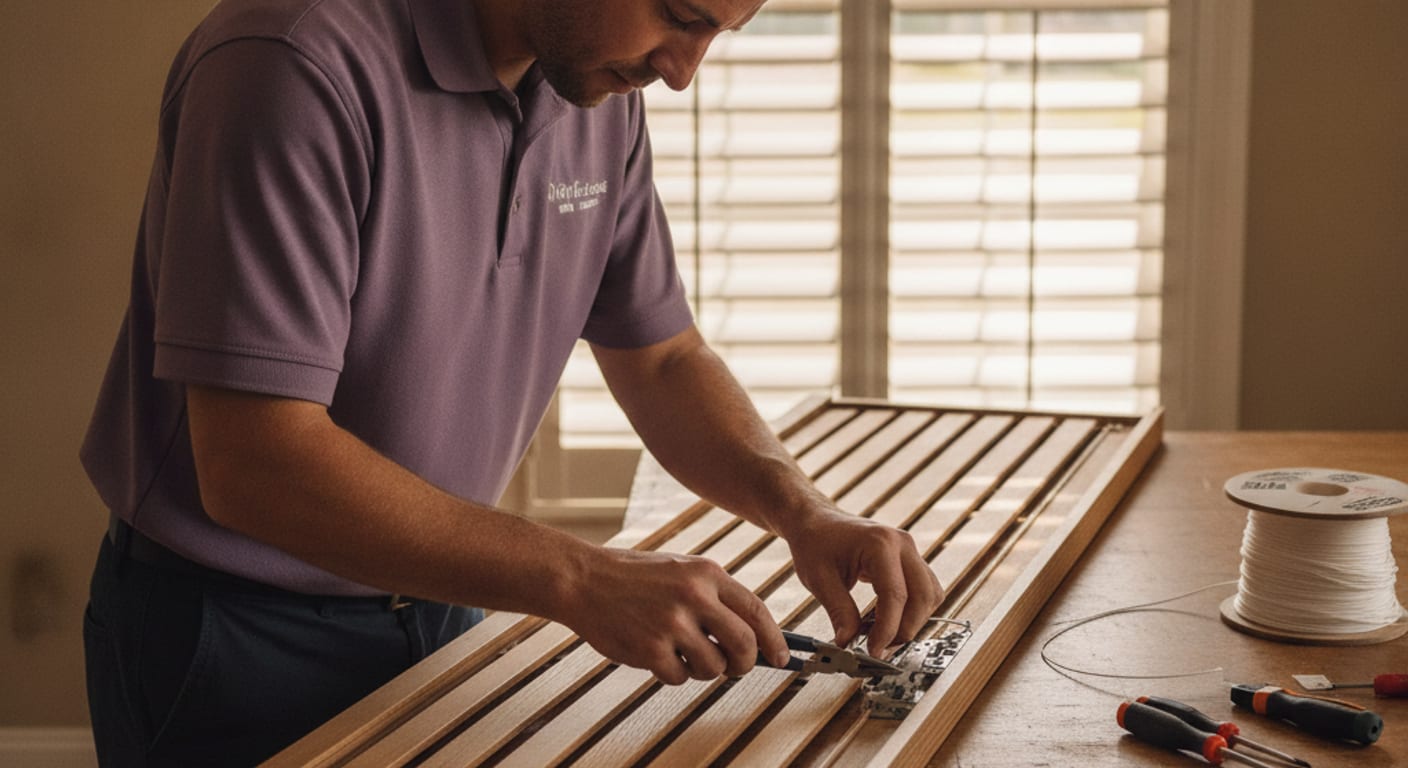
Salt air and your window treatments: what actually holds up on the beaches
A material durability guide for barrier-island properties: why aluminum corrodes, how vinyl compares to wood, and which window treatments actually last in salt-humid air.
Practical advice on the window treatment questions Pinellas County homeowners actually face, written by people who handle them.
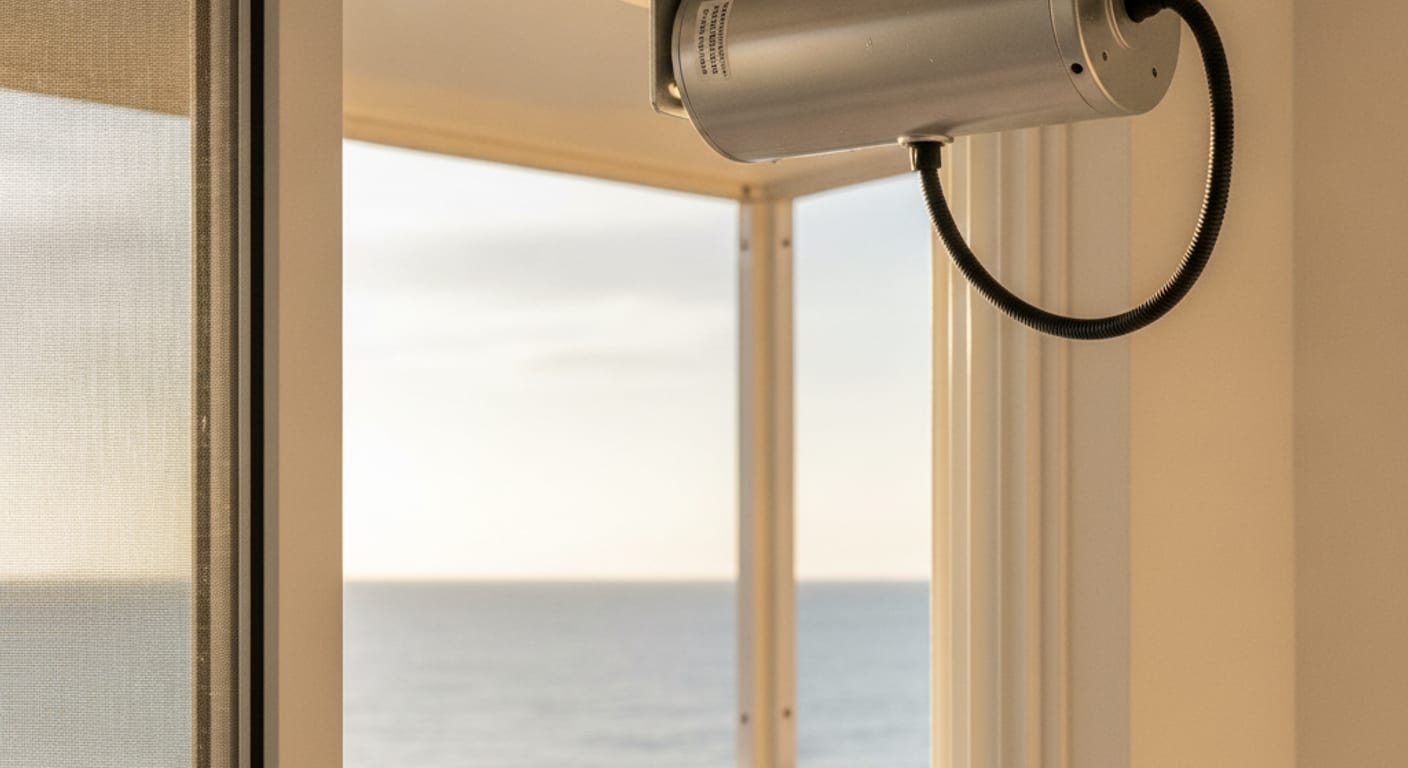
A material durability guide for barrier-island properties: why aluminum corrodes, how vinyl compares to wood, and which window treatments actually last in salt-humid air.
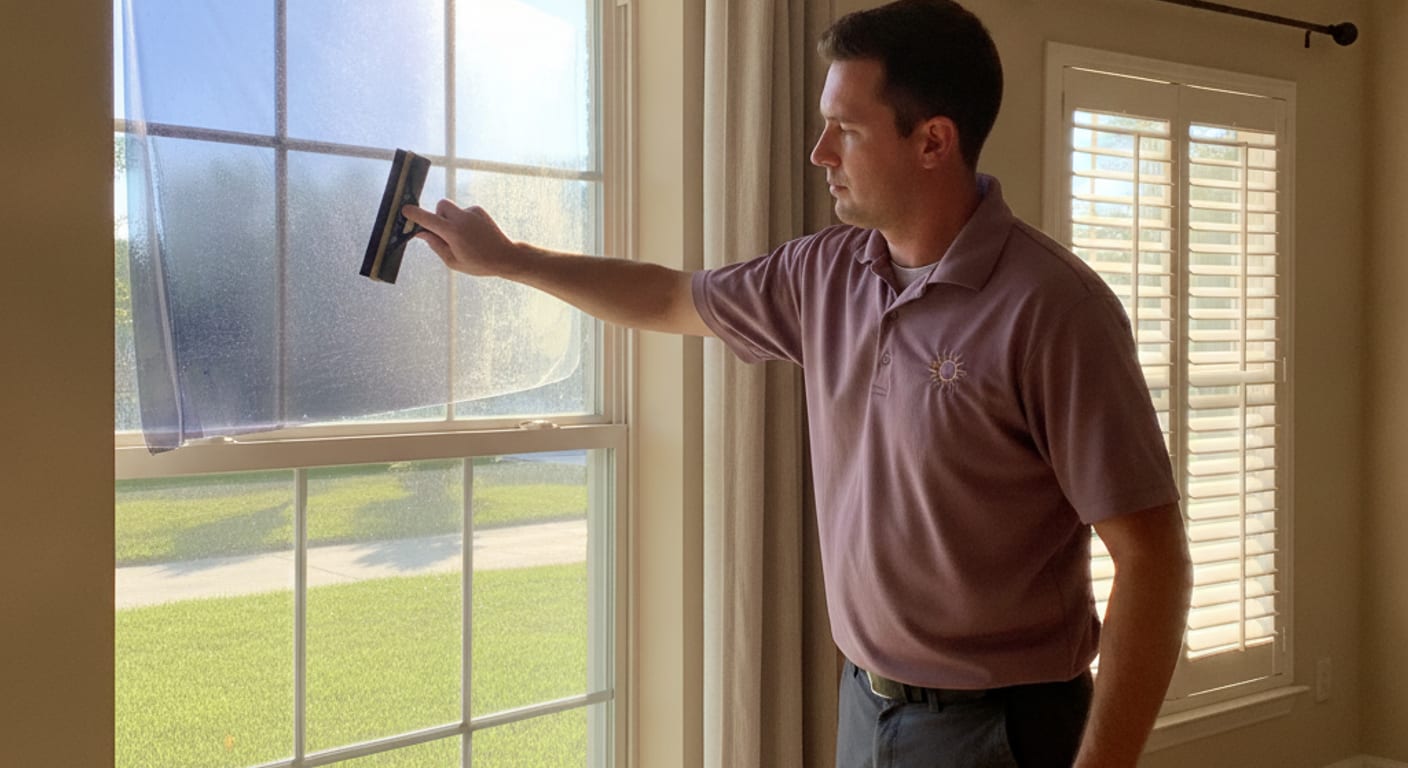
Film types, realistic heat-rejection and UV-block numbers, and when solar window film beats a shade for west-facing glass in a Pinellas County home.
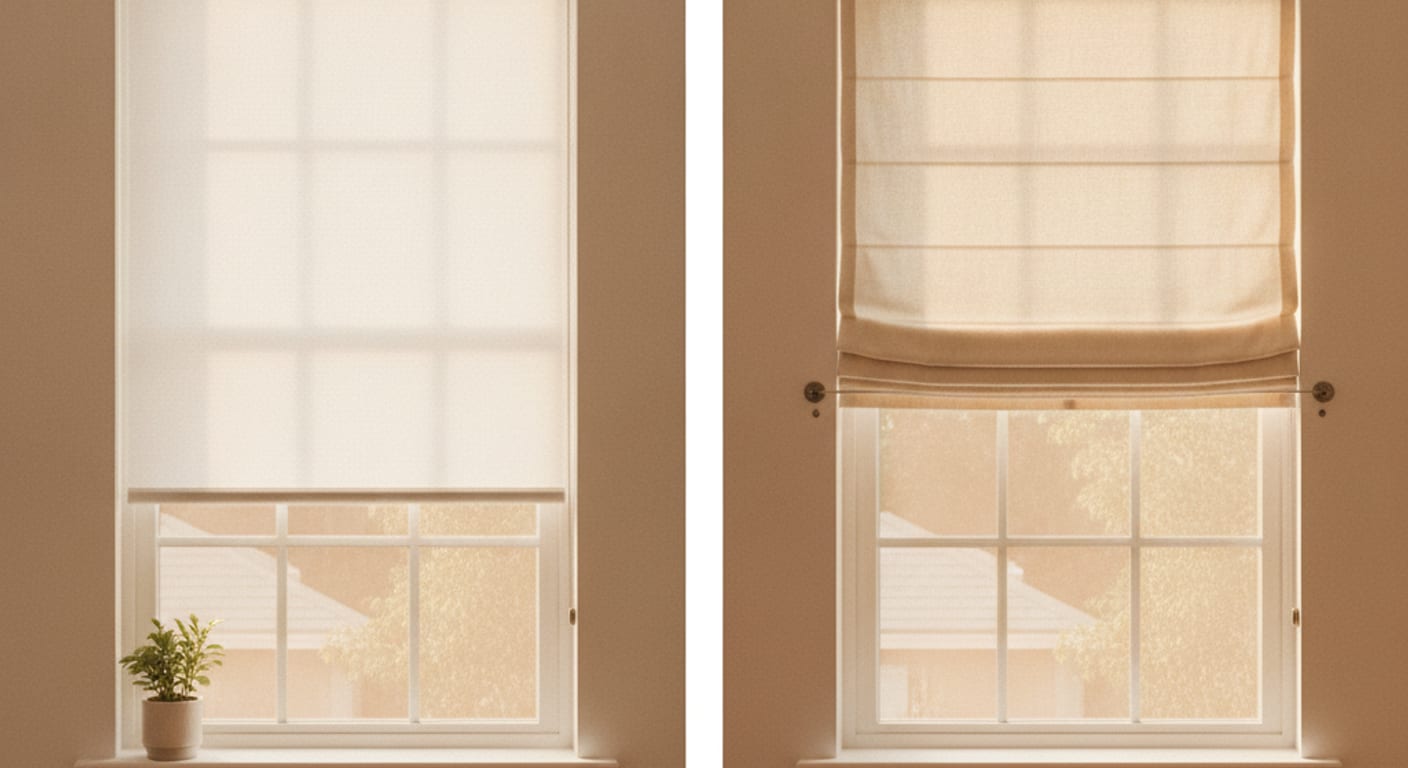
A style and function comparison of roller shades and roman shades, so you can pick the right soft window treatment for a budget room or a formal, design-forward space.
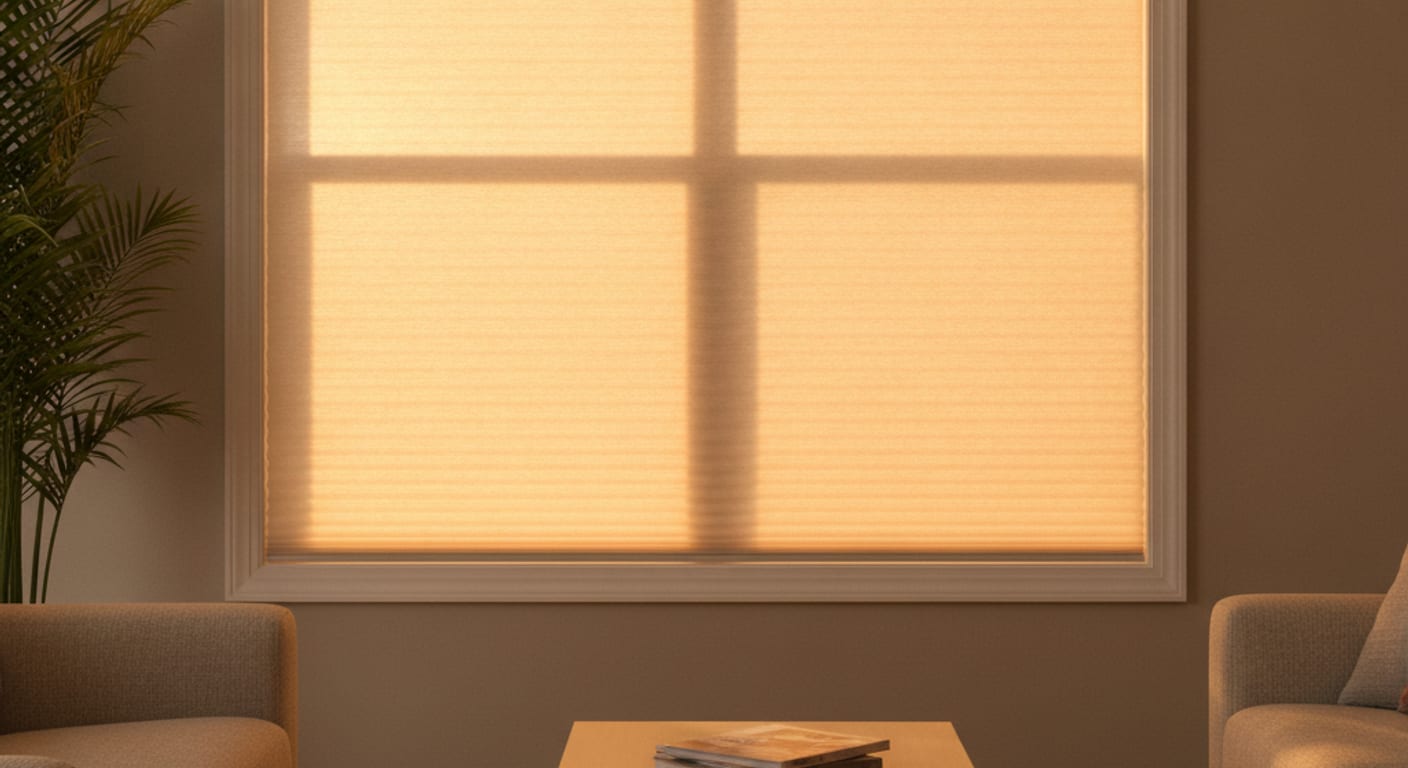
Single-cell vs double-cell cellular shades explained, with realistic cooling savings for west-facing rooms and older single-pane windows in Pinellas County homes.
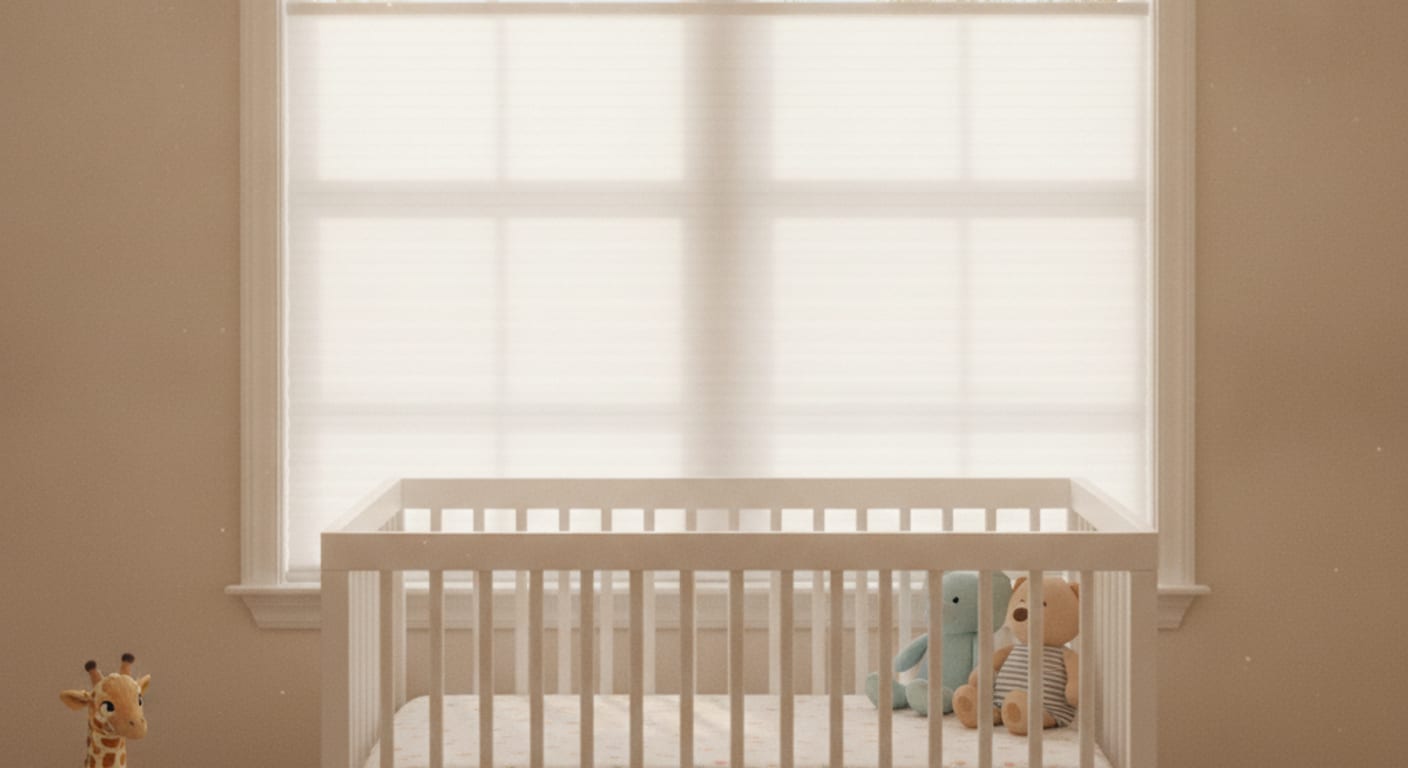
A plain-language breakdown of the CPSC cordless safety standard for window coverings, what it actually requires, and what to check when kids or grandkids are in the house.
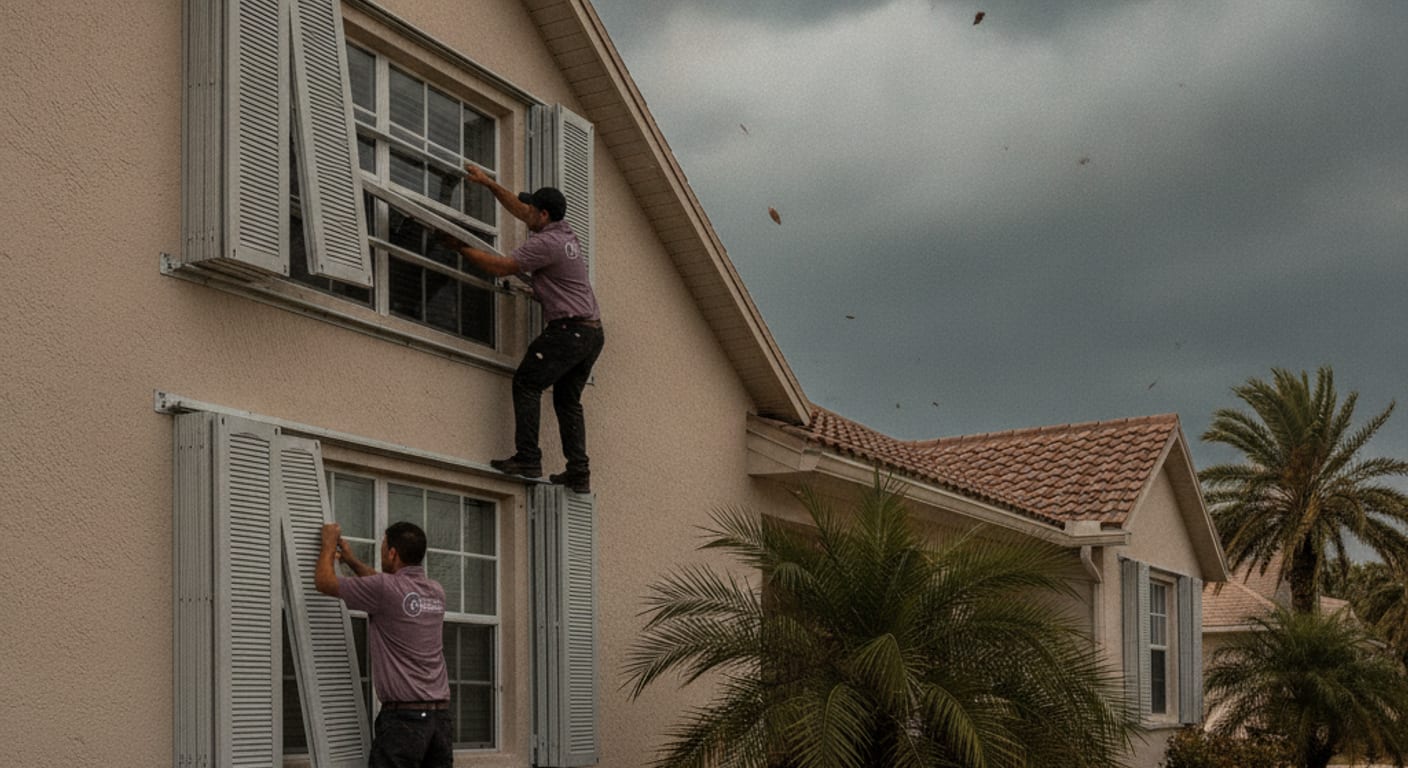
Pinellas County sits in Florida's wind-borne debris region, not the High-Velocity Hurricane Zone. Here's what that actually means for new construction, additions, and permits.
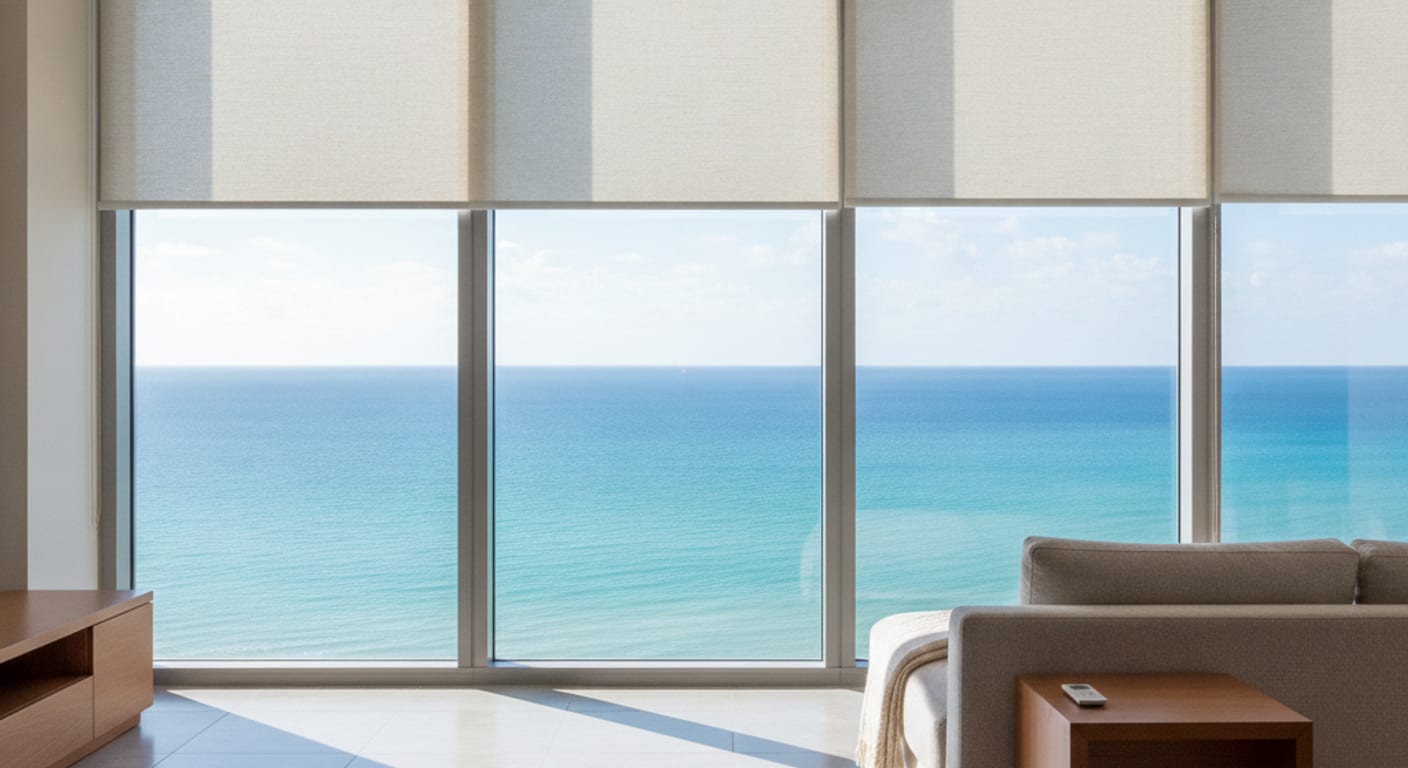
Floor-to-ceiling glass and a cord you can't reach are the two problems motorized shades solve in Gulf Beaches high-rise condos. Here's how they work and what they cost.
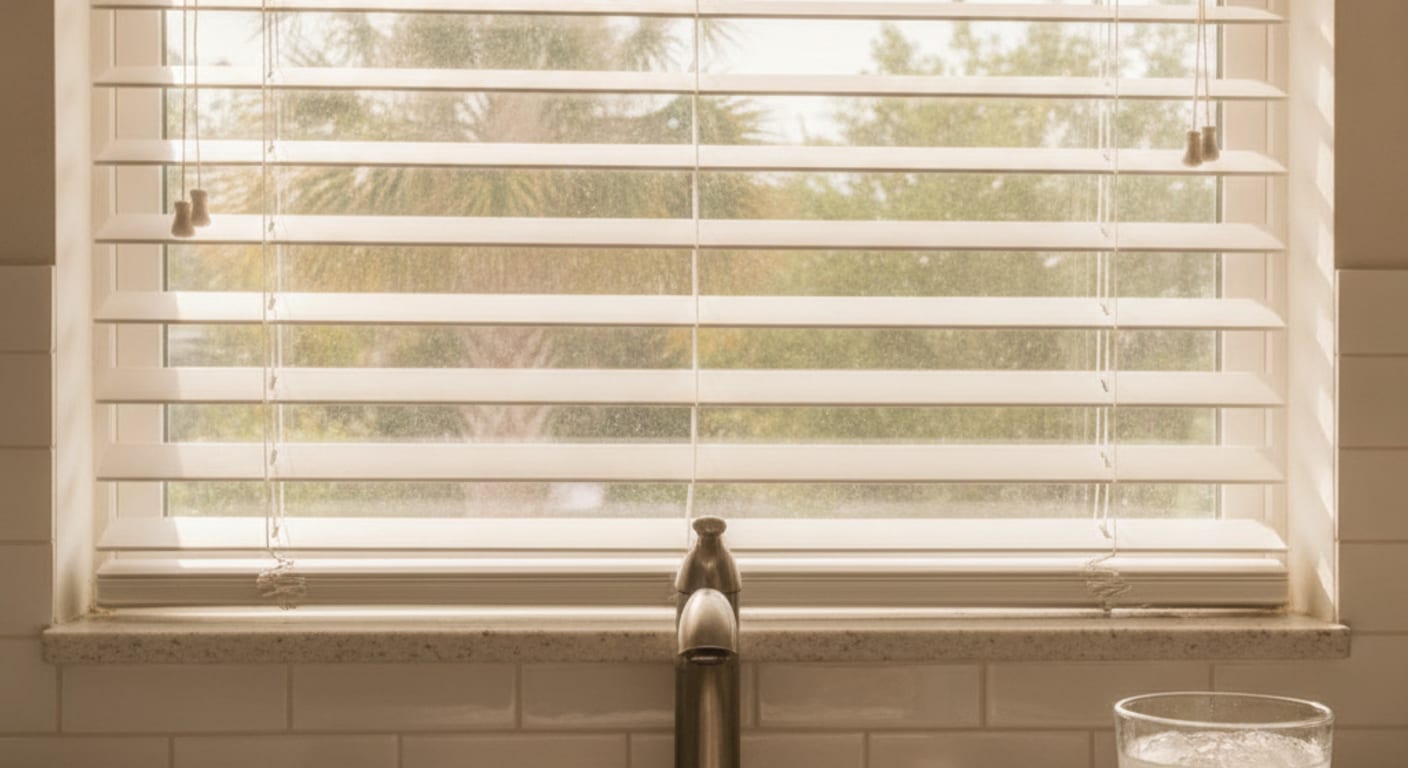
Real wood blinds warp in Florida humidity faster than most homeowners expect. Here's where faux wood wins, where real wood still makes sense, and what it costs.
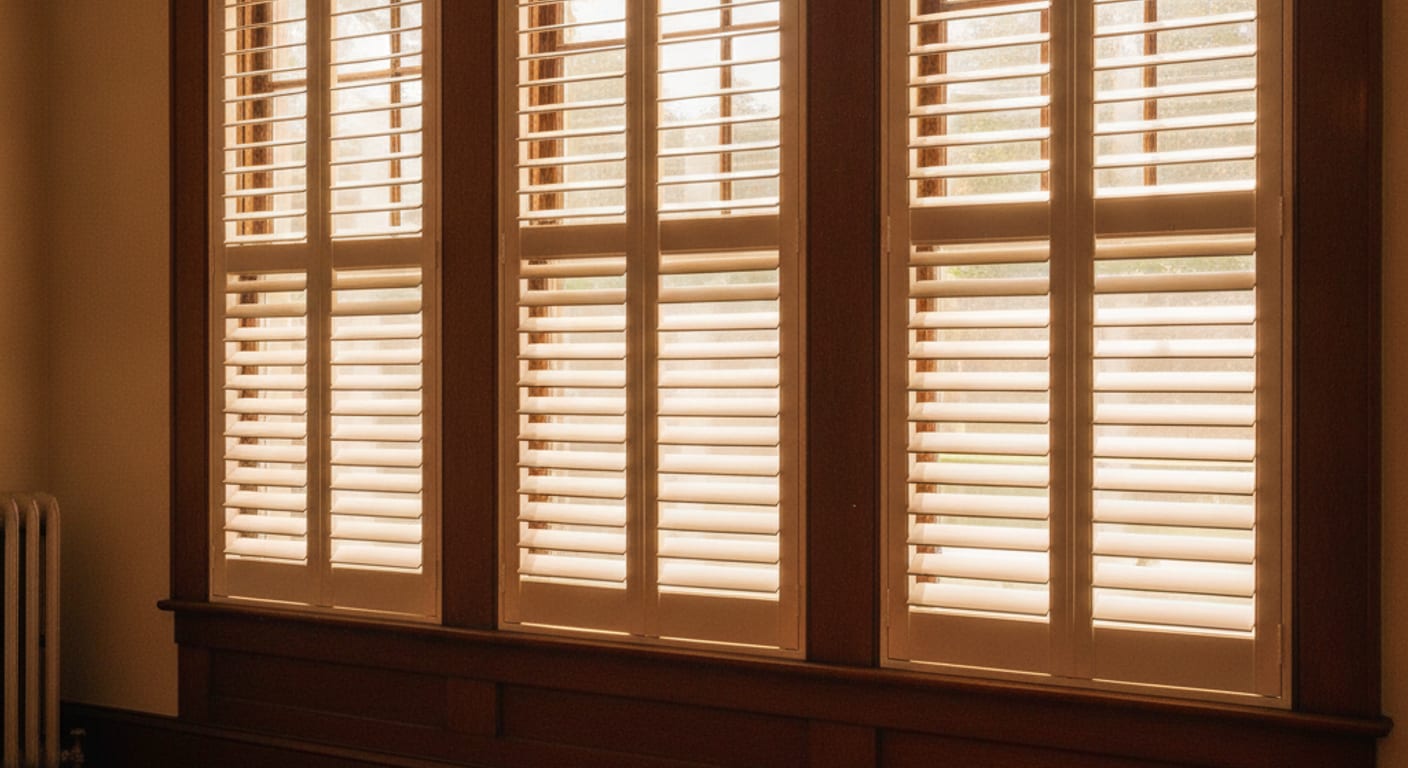
Real plantation shutter pricing for Pinellas County homes, broken down by poly vs basswood material and window count, with St. Petersburg and Gulf Beaches examples.
Call us. A real person picks up, not a call center.