Choosing Window Treatments for Florida's Intense Sun
Florida sun does not just heat a room, it fades floors, cracks furniture finishes, and drives up cooling bills through glass that was never built to handle this much direct light. Here is how to pick the right treatment for the exposure you actually have.
Know Which Rooms Take the Worst of It
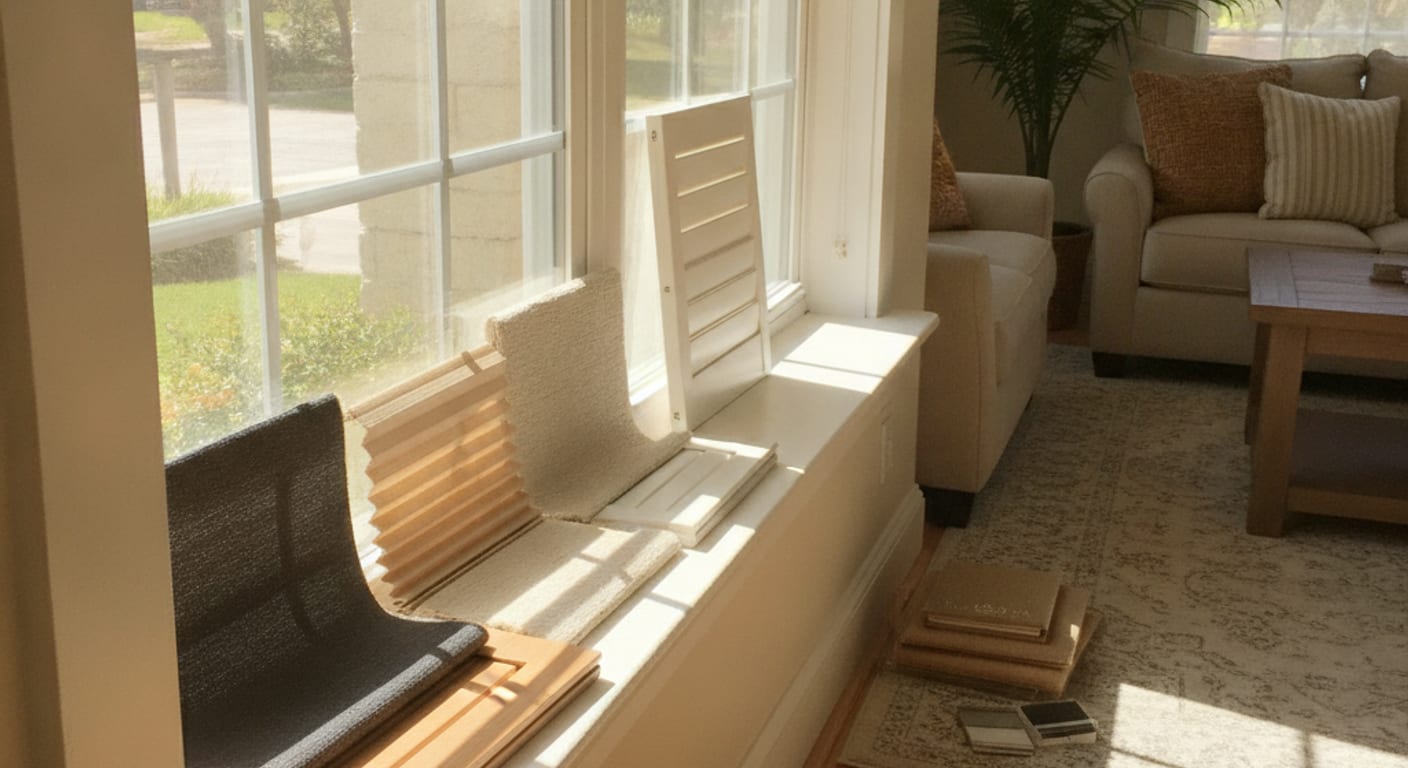
West and south-facing windows carry the most direct afternoon sun in a Pinellas County home, and that is where heat gain, glare, and fading complaints concentrate. Rooms facing Gulf-side water, waterfront lots in Gulfport, the barrier island beach towns, or open bay views in St. Petersburg's Shore Acres and Snell Isle, often get an even harder version of the same problem, since there is nothing outside blocking the light. Before choosing a treatment, walk your house at roughly 3 to 5 p.m. and note which rooms are genuinely uncomfortable versus which just get bright. The fix is different for each.
The Trade-Off Between Light, View, and Heat Control
Solar shades are rated by an openness percentage, a lower number blocks more heat and glare but also blocks more of the view, a higher number keeps the view clear but does less to stop heat. For a room where you want to keep the water view, a 5 to 10 percent openness solar shade is a common middle ground. Cellular shades trade the view entirely for insulation, the honeycomb structure traps air and meaningfully cuts heat transfer through the glass, which matters most in west-facing rooms that run the AC hardest. If keeping the window fully unobstructed matters most, solar window film applied directly to the glass reduces heat and UV without adding any visible hardware at all, though it cannot be adjusted the way a shade can.
Protecting Floors and Furniture from UV Fade
Direct Florida sun through unshaded glass fades hardwood floors, rugs, and furniture upholstery within a couple of years, and the damage is not reversible once it happens. A UV-blocking backing on cellular or solar shades, or a UV-rated film on the glass itself, addresses this even in rooms where you are not trying to block heat, a fully transparent film can still cut a significant share of UV transmission while barely changing how the window looks. If you are considering a DIY solar screen or film install on a second-story or hard-to-reach window, treat it the same as any exterior ladder work, stop and call a pro rather than working from an unstable ladder angle to reach upper glass.
Rather have a pro handle it?
Free measures scheduled across Pinellas County this week. A real window treatment pro picks up.
Keep reading.
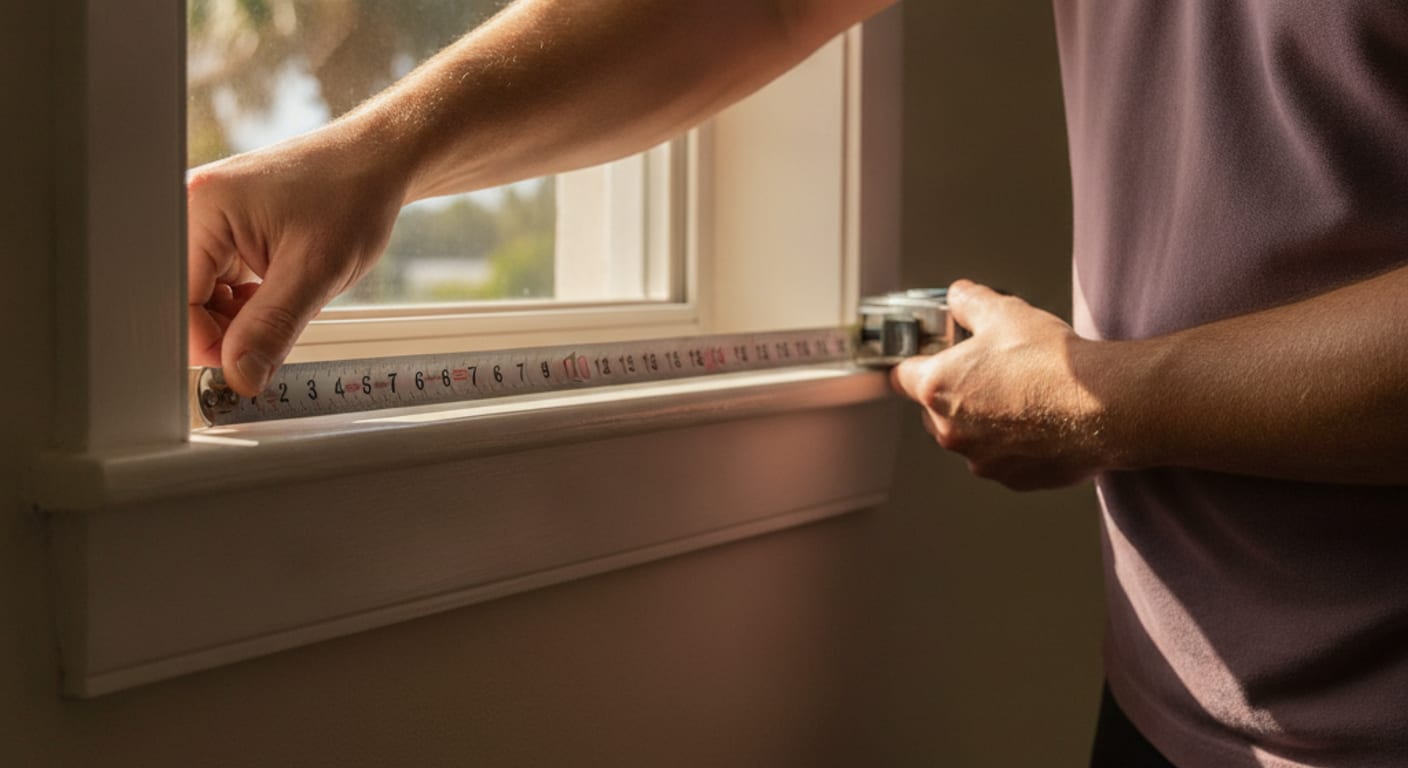
How to Measure Your Windows for Blinds and Shutters
A bad measurement is the single most common reason a custom order comes back wrong. Here is how to measure the way a professional installer does it, before you order anything.
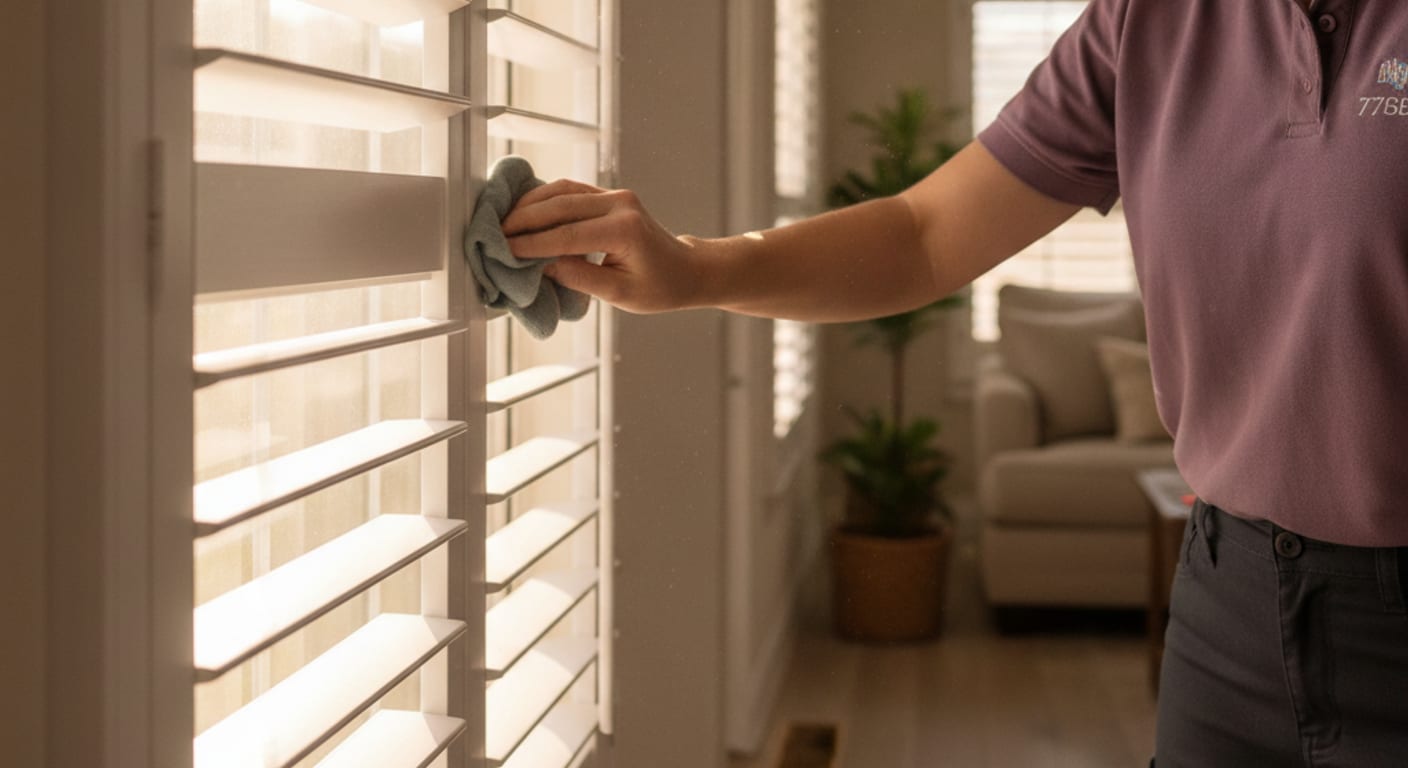
How to Clean and Maintain Plantation Shutters
Real wood shutters hold up for decades in Florida's climate, but only if they get the right kind of care. Here is the maintenance routine that keeps them looking new.
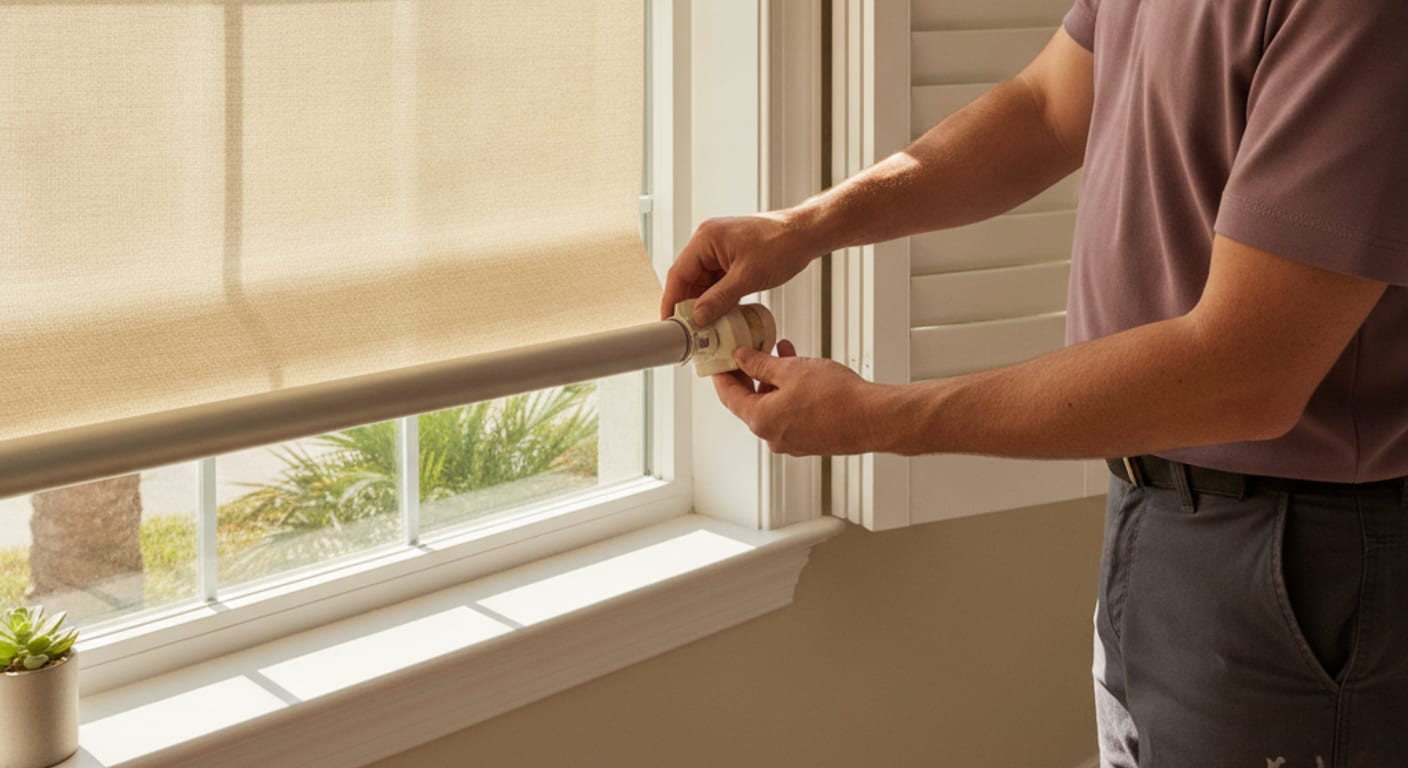
How to Fix a Stuck or Uneven Roller Shade
A roller shade that jams halfway down or rolls up crooked is usually a bracket or spring-tension problem, not a broken shade. Most of the time you can fix it in under ten minutes.